

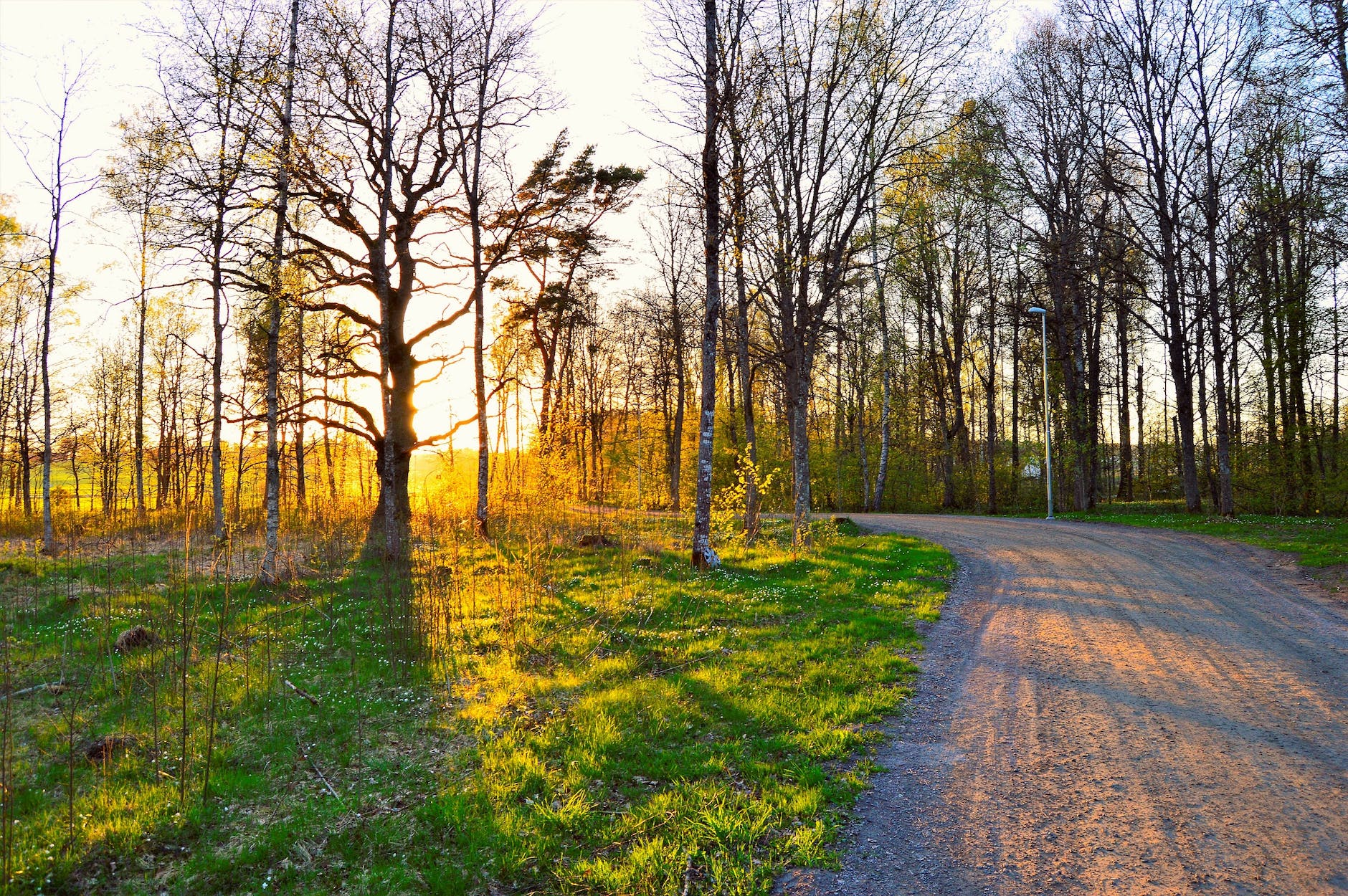
Understanding the best time to trim trees is fundamental for ensuring their health and vitality. Different regions and tree types have specific needs, and in the Pacific Northwest, where seasonal variations are distinct, timing becomes crucial. This comprehensive guide will explore the best times to trim trees in the Pacific Northwest, the impact of pruning during different seasons, considerations for tree types, and the potential risks associated with improper timing.
When is the Best Time of Year to Trim Trees in the Pacific North West?
While you can trim at any time, the best seasons to trim trees in the Pacific Northwest is generally from late winter to early spring. During this period, typically from late February to early April, the trees are dormant. Dormancy is a phase in the tree’s annual growth cycle when it’s not actively growing, and the sap is not flowing as much.
Trimming during late winter to early spring offers several advantages:
- Promotes Healthy Growth: Trimming during dormancy encourages healthy growth in the upcoming spring and summer months.
- Minimizes Stress: Trees are under less stress during dormancy, making it an ideal time for pruning. Trimming during other seasons, especially during periods of active growth, can stress the tree.
- Reduces Disease Spread: The risk of disease transmission is lower in late winter, as many diseases are less active during this time.
- Minimizes Sap Loss: Deciduous trees are less likely to “bleed” sap when pruned during late winter, reducing the risk of attracting pests.
- Enhances Structure: Late winter pruning allows for better visibility of the tree’s structure, making it easier to shape the tree and remove unwanted branches.
Keep in mind that specific tree species and circumstances may vary, so it’s advisable to assess each tree individually. Additionally, certain trees or situations may require pruning during other seasons for specific reasons, such as addressing safety concerns or removing dead or damaged branches promptly.
Always consider the unique characteristics of the tree, local climate conditions, and the specific goals of pruning when determining the best time for tree trimming. If in doubt or for more complex pruning tasks, seeking advice from a certified arborist or professional tree service is recommended.
Pros and Cons of Trimming Throughout the Year
Spring
As trees emerge from dormancy, spring becomes a prime time for trimming. Rapid wound healing and growth make it ideal for overall tree health. Spring pruning is a great time to trim Cherry, Magnolia, Dogwood, Japanese Maple, and Peach trees.
Pros:
- Rapid wound healing and growth.
- Clear visibility of tree structure.
Cons:
- Timing is crucial to avoid interfering with new growth. Avoid trimming trees in active bloom.
Summer
Summer is suitable for light pruning and maintenance, promoting shape and size control. Active growth ensures quick recovery, making it ideal for Holly, Japanese Maple, Evergreens, and Willow trees.
Pros:
- Active growth ensures quick recovery.
- Ideal for shaping and controlling size.
Cons:
- Be cautious during extreme heat to avoid cutting at an already stressful time for the tree, water stress, slow healing, and depletion of energy reserves.
Fall
In the fall, as the Pacific Northwest transitions to dormancy, trees prepare for the winter months. This period is ideal for pruning, with reduced disease transmission risks and improved visibility of tree structure. Common trees like Douglas Fir, Bigleaf Maple, Crabapple, and Holly benefit from fall pruning.
Pros:
- Reduced disease transmission.
- Visible tree structure without foliage.
Cons:
- Rainy weather may impede outdoor activities.
- Even with the utmost care, working in a muddy environment can have a negative impact on grass and yards.
Winter
Winter, marked by dormancy, is optimal for structural pruning. This season promotes healthy growth without causing undue stress to trees. Effective for Oak, Pine, Apple, and Evergreen trees.
Pros:
- Reduced stress on trees during dormancy.
- Easier identification of dead or damaged branches.
Cons:
- Avoid pruning during freezing conditions. Wood may be particularly brittle and sap and tissues may freeze after cuts are made. This can delay the production of callus tissue and the ability of the tree to compartmentalize and close of the wound.
Is There a Wrong Time to Trim a Tree?
Pruning at the wrong time can adversely affect tree health. Avoid pruning during the bloom period to prevent disrupting the flowering process. Similarly, pruning at the peak of foliage may stress the tree and compromise its ability to photosynthesize effectively. Improper timing can lead to reduced energy reserves and vulnerability to diseases.
Additional examples of improper timing include pruning during extreme weather conditions or when the tree is already under stress. Always consider the specific growth stage of the tree and aim to prune during periods of dormancy or slow growth to minimize negative impacts.
When Is the Best Time to Trim Trees by Tree Type?
Different tree types respond uniquely to trimming and pruning throughout the year. While the most beneficial time to trim most trees will be fall, winter, or spring – as you will likely yield the strongest rebound and growth of the tree after cutting – you can trim most trees throughout the year as long as you are not trimming during a critical period (blooms, severe weather, etc).
Let’s explore the best times to trim trees common to the Pacific Northwest, grouped by type: coniferous, deciduous, flowering trees, and fruit-bearing trees.
Coniferous Trees
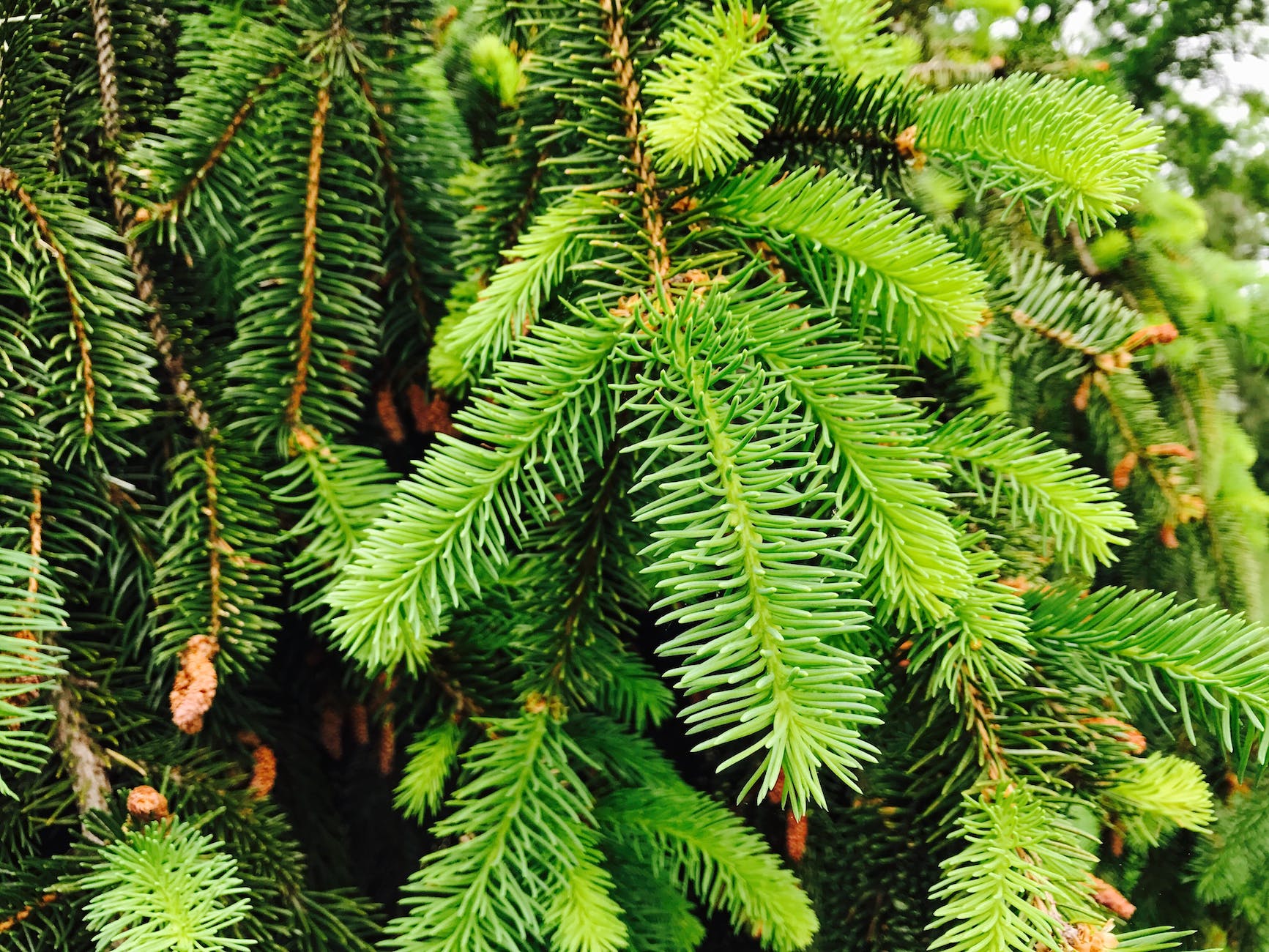
Best Time to Trim Douglas Fir (Pseudotsuga menziesii)
Douglas Fir is a towering evergreen and a symbol of the region. The best time for trimming is typically in late winter or early spring.
Best Time to Trim Western Red Cedar (Thuja plicata)
Western Red Cedar is valued for its rot-resistant wood and graceful appearance. Late winter or early spring is ideal for pruning.
Best Time to Trim Sitka Spruce (Picea sitchensis)
Sitka Spruce is a large coniferous tree native to coastal areas. Trimming is recommended in late winter or early spring.
Best Time to Trim Pacific Dogwood (Cornus nuttallii)
Pacific Dogwood is known for its showy white flowers in spring. Pruning can be done post-flowering.
Best Time to Trim Pacific Madrone (Arbutus menziesii)
Pacific Madrone is known for its distinctive red bark and evergreen leaves. Late winter or early spring is suitable for trimming.
Best Time to Trim Western Hemlock (Tsuga heterophylla)
Western Hemlock is a coniferous tree with graceful drooping branches. Late winter or early spring pruning is recommended.
Best Time to Trim Grand Fir (Abies grandis)
Grand Fir is commonly found in moist forested areas. Late winter or early spring is optimal for trimming.
Deciduous Trees

Best Time to Trim Bigleaf Maple (Acer macrophyllum)
Bigleaf Maple is recognized by its large, lobed leaves. Late fall or early winter is ideal for trimming.
Best Time to Trim Red Alder (Alnus rubra)
Red Alder is a nitrogen-fixing deciduous tree with serrated leaves. Late fall or winter pruning is recommended.
Flowering Trees

Best Time to Trim Japanese Maple (Acer palmatum)
Japanese Maple is prized for its colorful foliage and elegant form. Late fall or winter pruning is ideal.
Best Time to Trim Dogwood (Cornus spp.)
Dogwood varieties, both native and ornamental, are popular. Winter pruning is generally suitable.
Best Time to Trim Cherry Blossom (Prunus serrulata)
Cherry Blossom trees are celebrated for their spring blooms. Late winter or early spring is the best time for pruning.
Best Time to Trim Magnolia (Magnolia spp.)
Magnolia trees should be pruned immediately after flowering to shape the tree and encourage healthy growth for the next season.
Best Time to Trim Crape Myrtle (Lagerstroemia spp.)
Crape Myrtle is loved for its vibrant summer blooms and exfoliating bark. Late winter is the best time for trimming.
Fruit-Bearing Trees
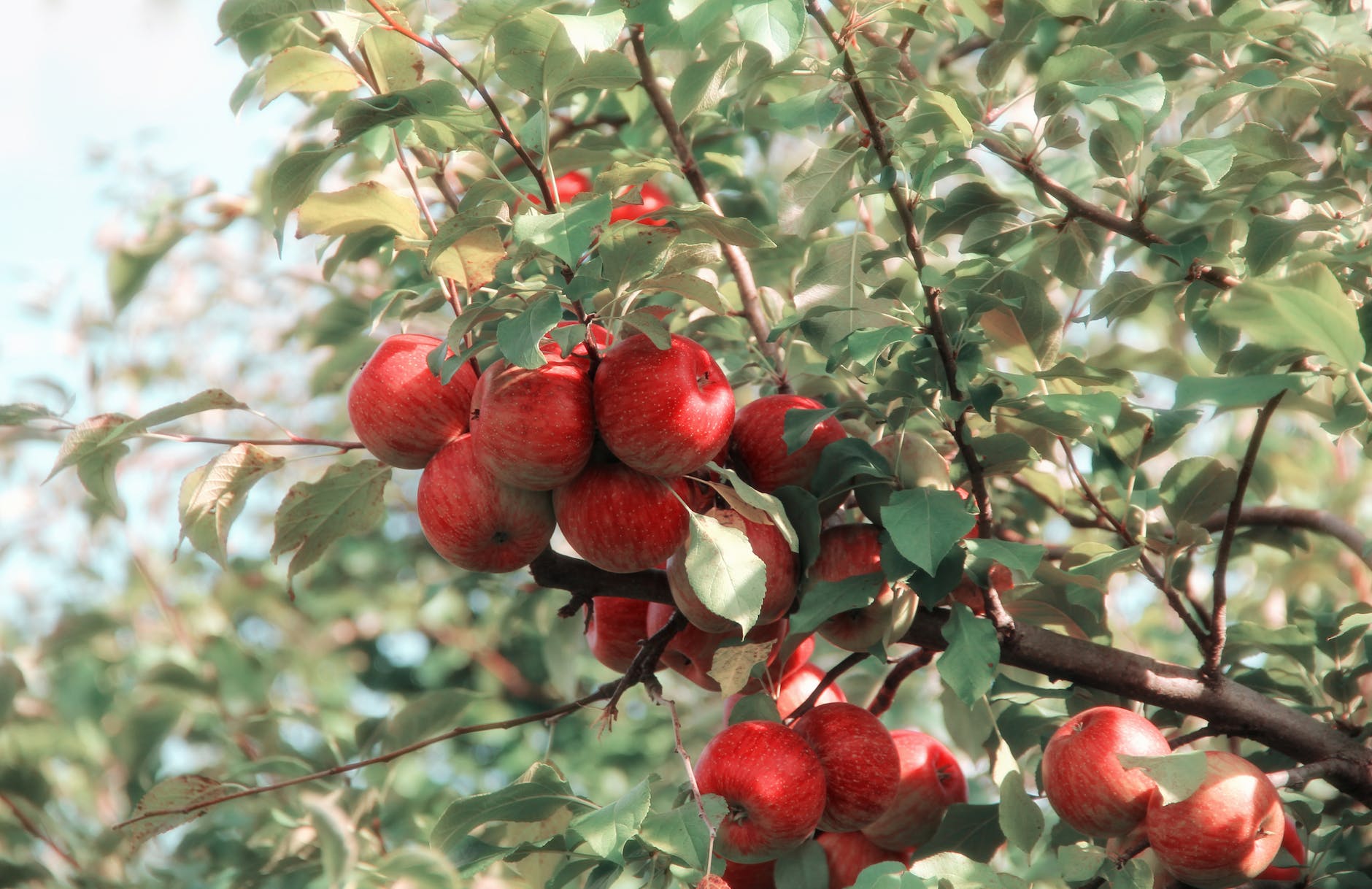
Best Time to Trim Apple Trees (Malus domestica)
Apple trees have various cultivars suitable for the region. Late winter or early spring is optimal for trimming.
Best Time to Trim Pear Trees (Pyrus communis)
Pear trees with diverse varieties adapted to Pacific Northwest climates are best trimmed in late winter or early spring.
Best Time to Trim Cherry Trees (Prunus avium and Prunus cerasus)
Cherry trees with sweet and tart varieties thrive best with late winter or early spring pruning.
Best Time to Trim Plum Trees (Prunus domestica)
Plum trees, both European and Japanese varieties, should be pruned in late winter or early spring.
Best Time to Trim Peach Trees (Prunus persica)
Peach trees with cold-hardy varieties suitable for the region are best trimmed in late winter.
Best Time to Trim Fig Trees (Ficus carica)
Fig trees can be grown in certain microclimates of the Pacific Northwest and benefit from late winter or early spring pruning.
Best Time to Trim Persimmon Trees (Diospyros spp.)
Persimmon trees with certain varieties adapted to the region are best trimmed in late winter or early spring.
Best Time to Trim Kiwi Vines (Actinidia spp.)
Kiwi vines can be grown successfully in the Pacific Northwest and benefit from late winter or early spring pruning.
Seasonal Wisdom with Heartwood Arbor Care
Mastering the best time to trim trees involves understanding both the seasonal nuances of the Pacific Northwest and the unique needs of different tree types. By tailoring pruning practices to specific times and tree varieties, you’ll promote optimal tree health and ensure a vibrant, flourishing landscape. For professional tree services tailored to the Pacific Northwest’s requirements, contact Heartwood Arbor Care today.
Let’s Get to Work!
Contact us for a free consultation and estimate.


 Heartwood Arbor Care LLC
Leave a comment